
September 11, 2026

6
min read
How to Choose a Car Charger OEM Supplier
Choosing the right car charger OEM supplier requires more than comparing prices. This guide explains what buyers should evaluate in product capability, quality contro

Choosing the right car charger OEM supplier requires more than comparing prices. This guide explains what buyers should evaluate in product capability, quality contro

Choosing a car charger OEM supplier is not just about finding the lowest quotation. For brands, distributors and importers, the bigger question is whether the supplier can support the right product configuration, stable quality and a workable OEM process from sampling to mass production.
A supplier may offer a 30W, 65W or 140W car charger, but the power label alone does not tell you whether the product is suitable for your market. Before moving forward with a project, buyers should check the product platform, output configuration, customization scope and validation process in more detail.
Many OEM projects begin by discussing logo printing or packaging. In practice, product platform selection should come first.
A car charger should match the target market in power, port configuration, size and positioning.
For example:
Starting from an existing, proven platform can also reduce development time compared with creating a completely new product from the beginning.
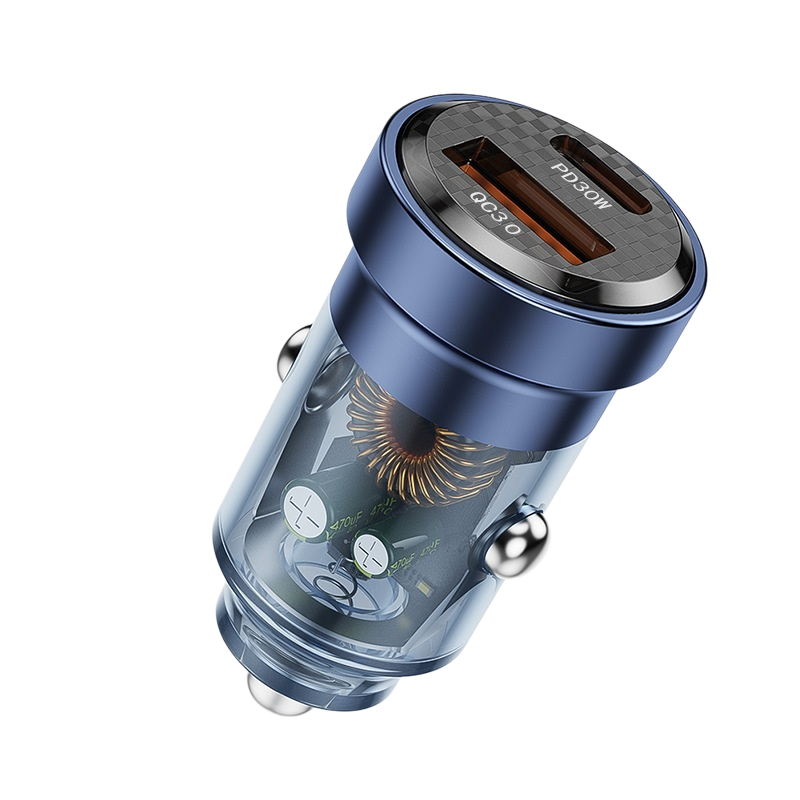
A wattage number by itself is not enough.
For multi-port car chargers, buyers should confirm:
For example, a 65W car charger may support 65W maximum output, but buyers still need to understand how that power is distributed across two USB-C ports and one USB-A port during simultaneous charging.
This is especially important when comparing products from different suppliers, because two chargers with the same headline wattage may perform differently in actual use.

OEM customization can mean very different things depending on the project.
For many private-label programs, the required changes may only include:
Other projects may require deeper customization such as:
Before starting a project, buyers should confirm which changes can be made on an existing platform and which changes would require new development.
This helps avoid misunderstandings later, especially when customization affects tooling cost, certification or production lead time.
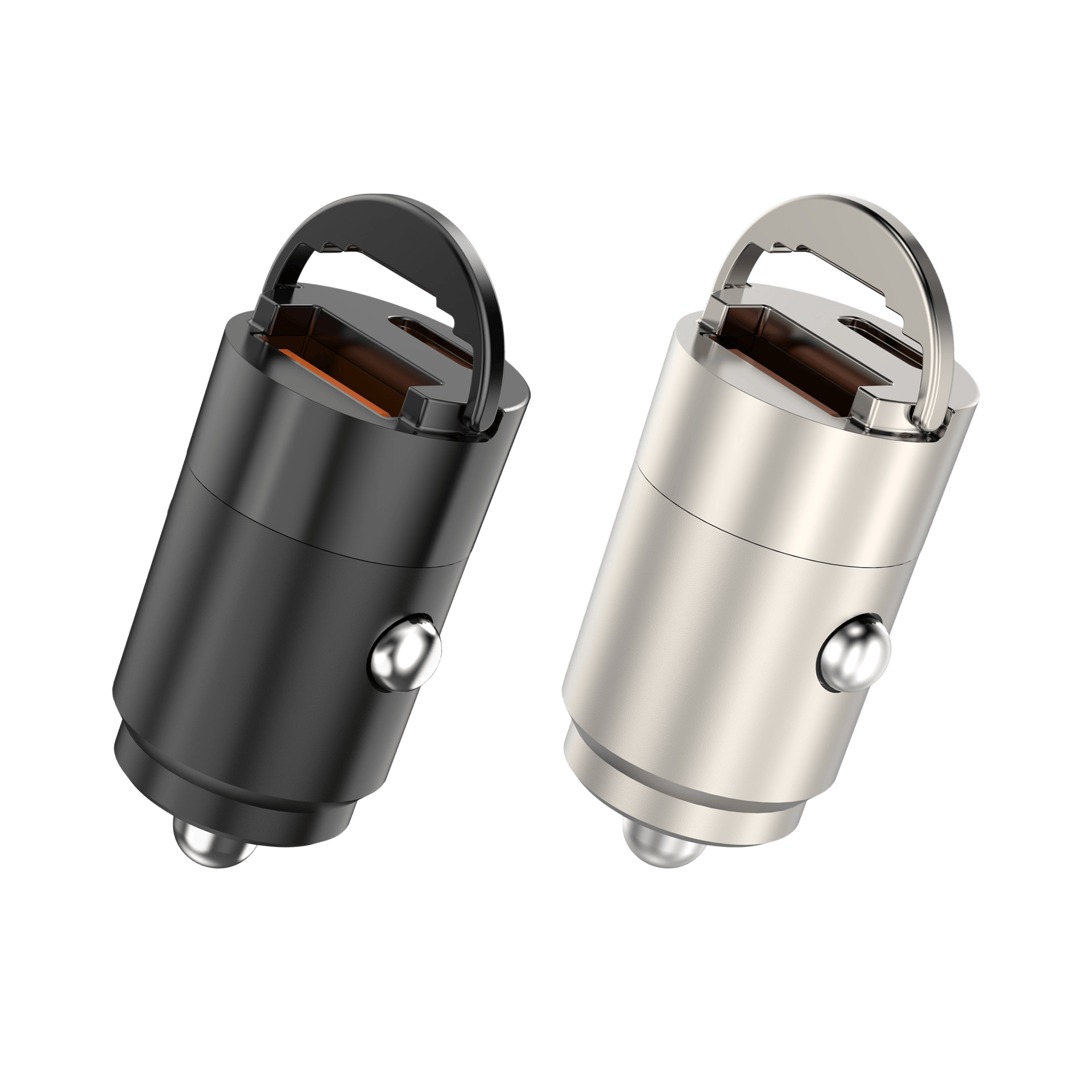
A sample should not only be used to check appearance.
Before mass production, the sample stage should confirm whether the product matches the agreed specification.
Important items may include:
For higher-power or multi-port chargers, simultaneous charging behavior should also be checked.
Clear sample approval reduces the risk of specification disputes after production starts.
Quality control should be discussed before the purchase order, not after shipment.
For an OEM car charger project, buyers should understand how the supplier controls:
It is also useful to confirm how product specifications are documented before production.
When both sides agree on the inspection points in advance, it becomes much easier to manage quality during mass production.
Certification should be treated as part of product planning.
Different markets may require different standards or documentation, such as CE, FCC, RoHS, UKCA or other regional requirements.
Buyers should confirm whether the selected product platform already has relevant testing support and whether additional testing is required for the final customized version.
It is better to confirm this early, especially if changes are made to the housing, PCB, power output or branding.
MOQ is important, but it should not be considered separately from sampling and lead time.
For a new market or new product line, buyers may prefer:
A supplier with a mature platform may be more practical than one offering a lower price but requiring longer development and validation.
For distributors and new brands, reducing the risk of the first order is often more important than achieving the lowest unit price.
OEM projects involve more communication than standard product purchases.
During a typical project, both sides may need to confirm:
Fast response is helpful, but clear technical communication is more important.
A supplier should be able to explain what is possible, what needs to be confirmed and which changes may affect cost or timing.
The first project may only involve one car charger model, but future requirements often change.
A buyer may later need:
A supplier with multiple existing platforms gives buyers more flexibility when expanding the product line.
This can also reduce the need to qualify a completely new supplier for every new SKU.
Before choosing a car charger OEM supplier, confirm:
The best supplier is not simply the one with the lowest quotation. It is the one that can consistently support the product, quality and project requirements of your target market.
PRYEVO supports brands, distributors and importers with car charger OEM/ODM solutions across different power levels and port configurations. Existing product platforms can be customized with branding, packaging and selected product configurations based on project requirements.